
Oral & Maxillofacial Surgery
От мезиального прикуса к уверенности: трансформация после челюстной хирургии
Как виртуальное хирургическое планирование и высокоточная ортогнатическая операция помогли исправить скелетную аномалию прикуса III класса и изменить не только прикус, но и жизнь пациента.


Patient
Dilshan, age 28
Timeline
Всего 18 месяцев (протокол Surgery First; послеоперационная ортодонтическая коррекция — 12–15 месяцев)
Treatment
Oral & Maxillofacial Surgery
Treatment Approach
Бимаксиллярная ортогнатическая операция по протоколу Surgery First под руководством доктора Манджулы Херат с использованием виртуального хирургического планирования (VSP) для миллиметровой точности выполнения. КЛКТ-визуализация позволила создать полноценную 3D-модель; программное обеспечение для планирования смоделировало перемещения челюстей и спрогнозировало итоговый эстетический и окклюзионный результат ещё до первого разреза; индивидуальные хирургические шаблоны помогли точно реализовать хирургический план. Верхняя челюсть была выдвинута вперёд, а нижняя — смещена назад и зафиксирована индивидуальными титановыми пластинами, разработанными с учётом анатомии самого пациента.
Dilshan’s Story
Молодой специалист со скелетной аномалией прикуса III класса — мезиальным прикусом, который на протяжении многих лет влиял на его уверенность в себе, — обратился в FaceLab в поисках долгосрочного решения. Помимо эстетического дискомфорта, он испытывал трудности с жеванием, болезненность в области ВНЧС и прогрессирующее стирание зубов из-за неправильного смыкания. Только ортодонтия не могла устранить скелетную причину. Доктор Манджула Херат предложил протокол Surgery First — проведение хирургической коррекции челюстей до финальной ортодонтической доводки, что даёт быстрое улучшение профиля и сокращает общие сроки лечения. С помощью КЛКТ и 3D-моделирования вся операция была спланирована в цифровом виде до первого разреза. Спустя шесть месяцев после вмешательства пациент отмечает полноценное жевание, отсутствие дискомфорта в суставе и новую уверенность в себе.
The Challenge
Meet our patient — a young professional whose skeletal Class III malocclusion (underbite) had affected his confidence for years. Beyond aesthetics, he experienced difficulty chewing, jaw joint discomfort, and progressive tooth wear from the abnormal bite relationship. Traditional orthodontics alone couldn't address the underlying skeletal discrepancy. Using a surgery-first approach, we performed skeletal correction before orthodontic refinement — allowing for faster results and immediate aesthetic improvement.
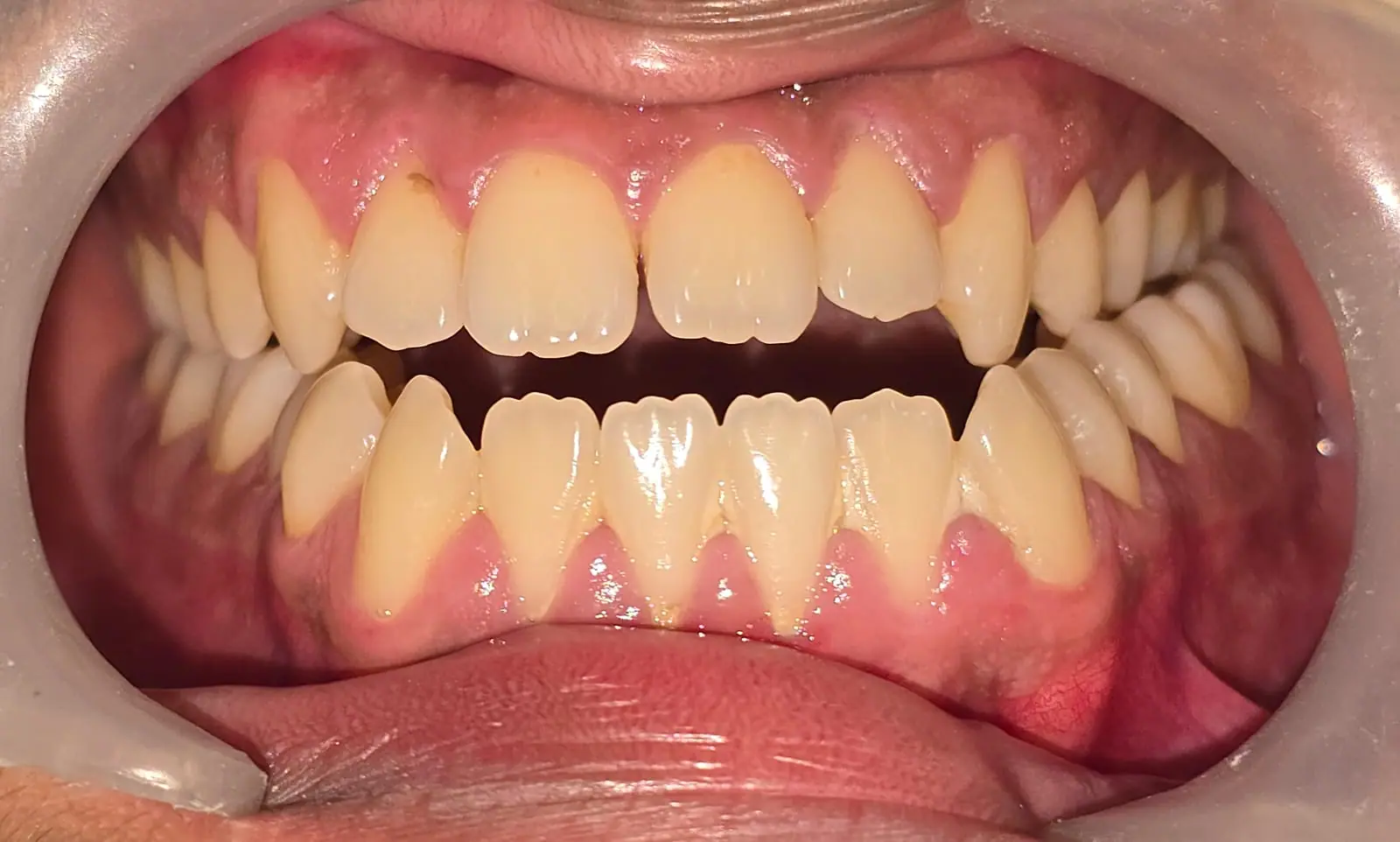
Step 1 — Initial Assessment
Clinical examination revealed a significant mandibular prognathism (protruding lower jaw) with maxillary retrognathism (recessed upper jaw) — a classic skeletal Class III pattern requiring surgical correction.
Digital Planning & Simulation
Using advanced CBCT imaging and 3D surgical planning software, we created a precise digital blueprint of the procedure. Virtual surgical planning allowed us to simulate jaw movements, design patient-specific surgical guides, and predict the final aesthetic and functional outcome before making a single incision.
Precision Surgery
The bimaxillary orthognathic surgery was performed under general anaesthesia using patient-specific surgical guides fabricated from the virtual plan. The maxilla was advanced and the mandible was repositioned posteriorly, secured with titanium fixation plates designed specifically for the patient's anatomy.
The Surgery-First Advantage
Unlike traditional orthognathic treatment (which requires 12–18 months of pre-surgical orthodontics), we used a surgery-first protocol that offers significant benefits:
- Immediate Aesthetic Improvement — facial profile and bite corrected on day one, rather than worsening during pre-surgical orthodontics
- Shorter Overall Treatment Time — total treatment reduced by 6–12 months compared to the conventional approach
- Enhanced Motivation — patients see results immediately, maintaining enthusiasm throughout post-surgical orthodontic refinement
- Simplified Orthodontics — post-surgical tooth movement is faster and more predictable when working with corrected skeletal foundations
- Better Soft Tissue Response — immediate skeletal correction allows soft tissues to adapt naturally during the healing process
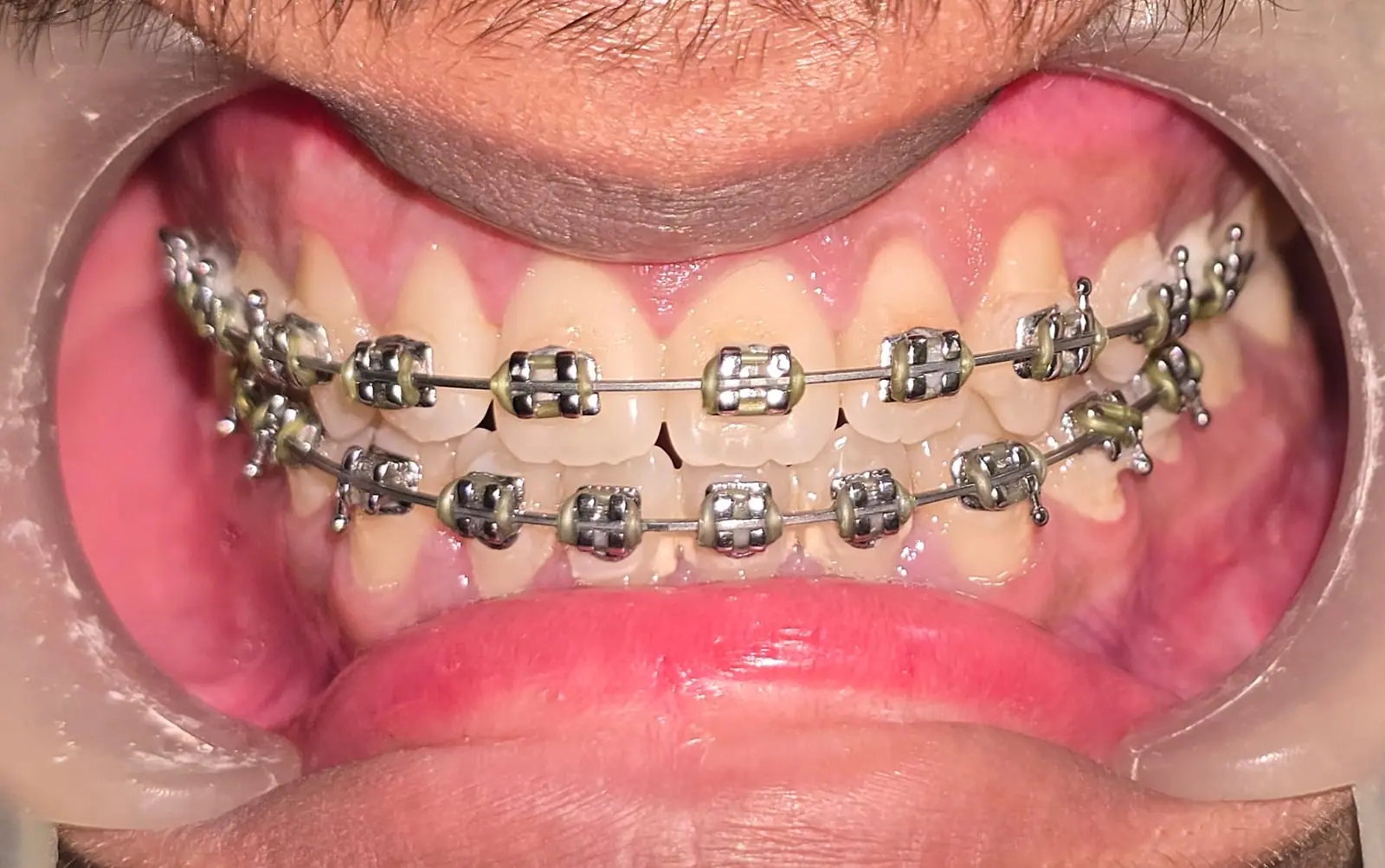
Life-Changing Results
Six months post-operatively, the transformation is remarkable. Beyond the aesthetic improvement, the patient reports significantly improved chewing function, resolved TMJ discomfort, and a dramatic boost in self-confidence.
Why VSP Makes the Difference
This case exemplifies the power of digital surgical planning in modern maxillofacial surgery:
- Predictable Outcomes — the patient saw his result before surgery, allowing informed decision-making and realistic expectations
- Surgical Precision — patient-specific guides ensured millimetre-accurate execution of the planned movements
- Reduced Operative Time — pre-fabricated guides eliminated intraoperative guesswork, reducing anaesthesia time by 30–40%
- Enhanced Safety — critical structures (inferior alveolar nerve, vessels) were mapped pre-operatively and protected throughout the procedure
- Faster Recovery — precision reduces tissue trauma, leading to less swelling and a quicker return to normal function
The Outcome
Через шесть месяцев после операции трансформация впечатляет: значительно улучшилась жевательная функция, прошёл дискомфорт в области ВНЧС, заметно выросла уверенность в себе. Точность хирургического этапа — в пределах 1 мм от цифрового плана, функция нервов сохранена на 100%.
<1 mm
Surgical Accuracy vs Plan
100%
Nerve Function Preserved
6 mo
Complete Healing Achieved
Treating Consultant
Dr. Manjula Herath
Oral & Maxillofacial Surgery
Related Services
Ready to start your journey?
Book a consultation to discuss your treatment options with our specialists.