
Oral & Maxillofacial Surgery
从地包天到自信:正颌手术的蜕变之路
虚拟手术规划与精准正颌外科手术如何矫正骨性 III 类错颌畸形,不仅重塑了咬合功能,更改变了一个人的人生。


Patient
Dilshan, age 28
Timeline
总疗程约 18 个月(采用优先手术方案;术后正畸微调约需 12–15 个月)
Treatment
Oral & Maxillofacial Surgery
Treatment Approach
由 Dr. Manjula Herath 主刀,采用「优先手术(Surgery-First)」方案进行双颌正颌外科手术,并借助虚拟手术规划(VSP)实现毫米级精准操作。通过 CBCT 成像构建完整的三维模型;利用规划软件模拟颌骨移动,并在首次切开前预测最终的美学与咬合效果;患者专属手术导板则将虚拟方案精准转化为实际手术操作。手术中对上颌骨进行前移,并将下颌骨后移复位,同时采用依据患者自身解剖结构定制的钛金属固定板进行固定。
Dilshan’s Story
一位年轻的专业人士,因骨性 III 类地包天问题多年影响自信,来到 FaceLab 寻求根本性的解决方案。除了美观问题外,他还因异常咬合关系出现咀嚼困难、颞下颌关节(TMJ)不适以及进行性牙齿磨损。单纯依靠传统正畸无法解决其潜在的骨骼不协调问题。 Dr. Manjula Herath 提出了「优先手术」方案——先进行骨骼矫正,再进行正畸微调,从而实现更快的治疗效果及即时的美学改善。借助先进的 CBCT 成像及三维规划软件,整个手术流程在首次切开前便已完成数字化设计。 术后六个月,其蜕变效果令人惊叹。除了外观明显改善外,他还表示咀嚼功能显著提升,颞下颌关节不适已得到缓解,自信心亦大幅增强。
The Challenge
Meet our patient — a young professional whose skeletal Class III malocclusion (underbite) had affected his confidence for years. Beyond aesthetics, he experienced difficulty chewing, jaw joint discomfort, and progressive tooth wear from the abnormal bite relationship. Traditional orthodontics alone couldn't address the underlying skeletal discrepancy. Using a surgery-first approach, we performed skeletal correction before orthodontic refinement — allowing for faster results and immediate aesthetic improvement.
Step 1 — Initial Assessment
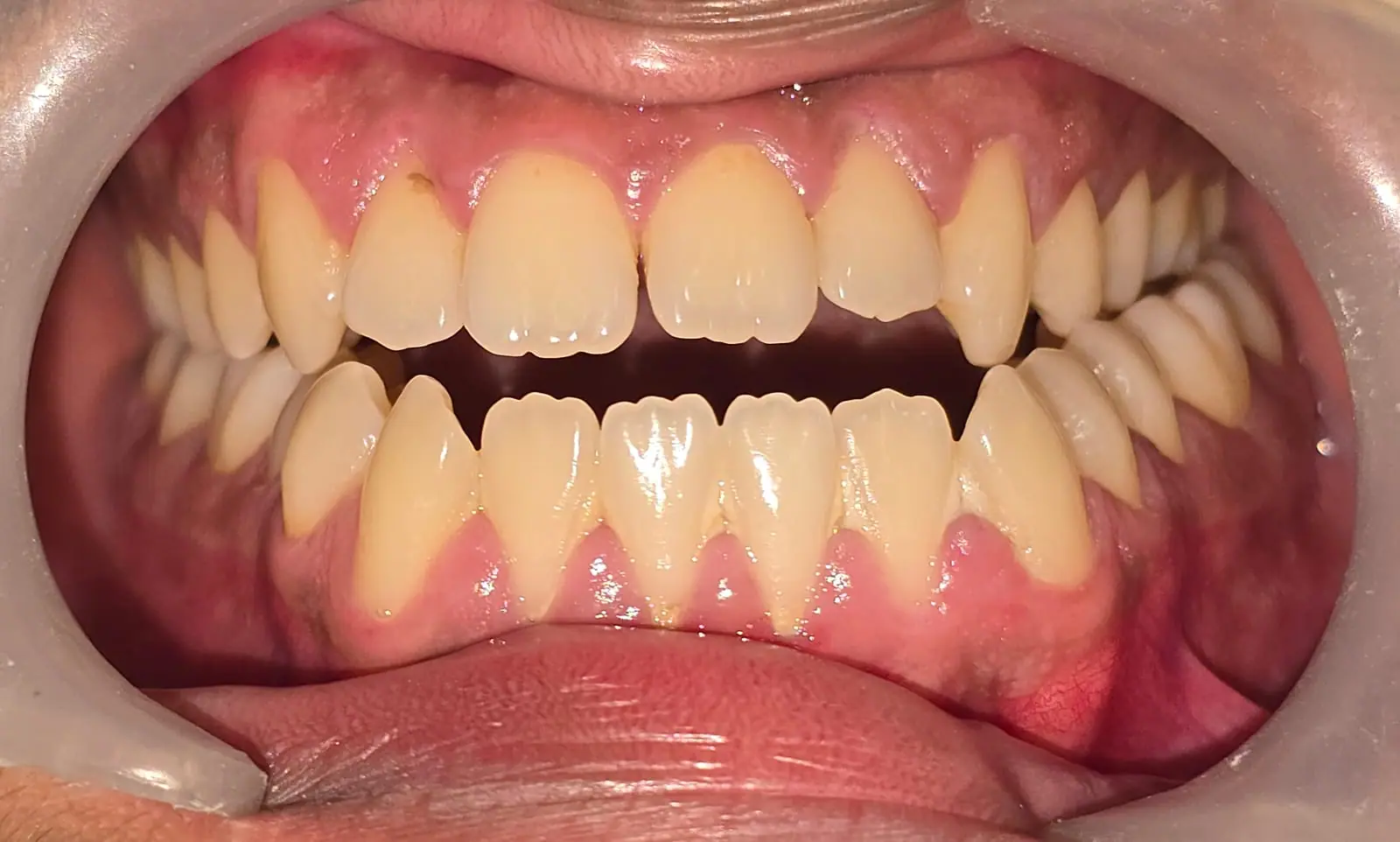
Clinical examination revealed a significant mandibular prognathism (protruding lower jaw) with maxillary retrognathism (recessed upper jaw) — a classic skeletal Class III pattern requiring surgical correction.
Digital Planning & Simulation
Using advanced CBCT imaging and 3D surgical planning software, we created a precise digital blueprint of the procedure. Virtual surgical planning allowed us to simulate jaw movements, design patient-specific surgical guides, and predict the final aesthetic and functional outcome before making a single incision.
Precision Surgery
The bimaxillary orthognathic surgery was performed under general anaesthesia using patient-specific surgical guides fabricated from the virtual plan. The maxilla was advanced and the mandible was repositioned posteriorly, secured with titanium fixation plates designed specifically for the patient's anatomy.
The Surgery-First Advantage
Unlike traditional orthognathic treatment (which requires 12–18 months of pre-surgical orthodontics), we used a surgery-first protocol that offers significant benefits:
- Immediate Aesthetic Improvement — facial profile and bite corrected on day one, rather than worsening during pre-surgical orthodontics
- Shorter Overall Treatment Time — total treatment reduced by 6–12 months compared to the conventional approach
- Enhanced Motivation — patients see results immediately, maintaining enthusiasm throughout post-surgical orthodontic refinement
- Simplified Orthodontics — post-surgical tooth movement is faster and more predictable when working with corrected skeletal foundations
- Better Soft Tissue Response — immediate skeletal correction allows soft tissues to adapt naturally during the healing process
Life-Changing Results
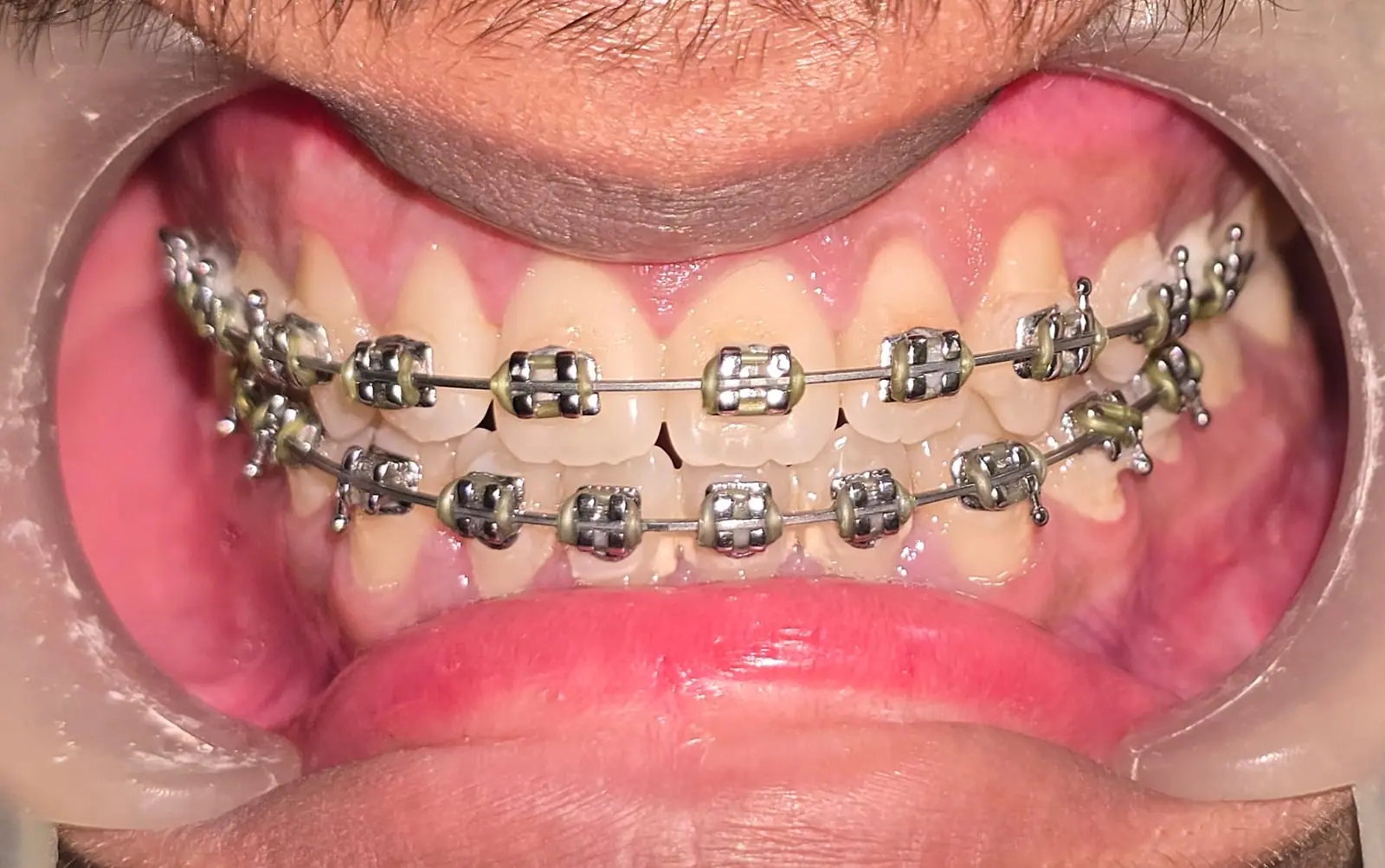
Six months post-operatively, the transformation is remarkable. Beyond the aesthetic improvement, the patient reports significantly improved chewing function, resolved TMJ discomfort, and a dramatic boost in self-confidence.
Why VSP Makes the Difference
This case exemplifies the power of digital surgical planning in modern maxillofacial surgery:
- Predictable Outcomes — the patient saw his result before surgery, allowing informed decision-making and realistic expectations
- Surgical Precision — patient-specific guides ensured millimetre-accurate execution of the planned movements
- Reduced Operative Time — pre-fabricated guides eliminated intraoperative guesswork, reducing anaesthesia time by 30–40%
- Enhanced Safety — critical structures (inferior alveolar nerve, vessels) were mapped pre-operatively and protected throughout the procedure
- Faster Recovery — precision reduces tissue trauma, leading to less swelling and a quicker return to normal function
The Outcome
术后六个月,其蜕变效果令人惊叹——咀嚼功能显著改善,颞下颌关节(TMJ)不适得到缓解,自信心亦大幅提升。手术精度与数字化规划的偏差控制在 1 毫米以内,并完整保留了 100% 的神经功能。
<1 mm
Surgical Accuracy vs Plan
100%
Nerve Function Preserved
6 mo
Complete Healing Achieved
Treating Consultant
Dr. Manjula Herath
Oral & Maxillofacial Surgery
Related Services
Ready to start your journey?
Book a consultation to discuss your treatment options with our specialists.